

Kadin Crawford
In the heart of Greensboro stands a relic from the 1960s sit-in movement that hopes to serve as a beacon of human rights to this day.
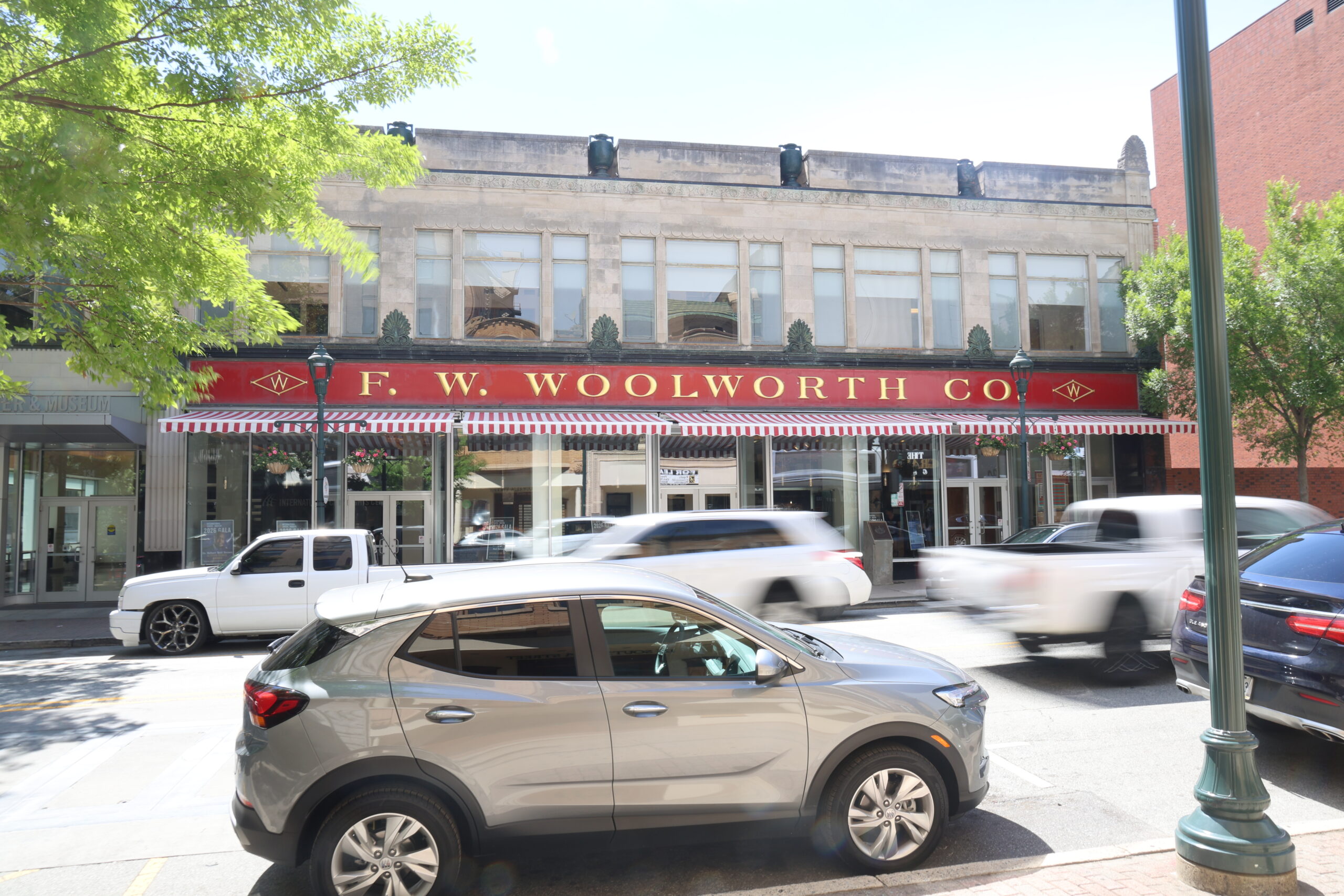
The International Civil Rights Center and Museum opened in 2010 to serve as an extended legacy of Greensboro’s role to end segregation in the South. The museum was built around the formerly segregated F.W. Woolworth lunch counter.
CEO John Swaine explained the impact of civil rights and why the museum is still relevant to this day
“I can say this with a great deal of certainty that institutions like this attract people from across the globe on a regular basis,” Swaine said. “Folks are learning about civil rights and human rights for the first time ever.”
In 1960, four North Carolina A&T University students who were influenced by the Freedom Rides and other sit-in movements decided to spark a change. The Greensboro four traveled to Woolworth’s and sat at the lunch counter in protest.
David Richmond, Franklin McCain, Ezell Blair Jr., (now Jibreel Khazan) and Joseph McNeil were denied service and threatened with arrest. But students from other schools joined the sit-in movement to put pressure on the lunch counter, which ended its segregation policy in June 1960.
Woolworth’s in Greensboro closed in 1993.
Lorraine Ahearn, an Elon University assistant professor of journalism who covered the Black community in Greensboro and other historically marginalized communities for decades, said she has seen how civil rights in Greensboro today have improved.
“Nine members including the mayor in Greensboro’s city council are Black,” Ahearn said. “Things are changing.”
Swaine said it’s important to have institutions such as the center to stand as a monument to civil rights in Greensboro.
“This historic building looks backwards to civil rights of the past, honoring and respecting people who have fought for what is right and just,” Swaine said.
Kadin Crawford
Kadin A. Crawford is a Greensboro Day School student in the class of 2027, who is passionate about writing, global affairs, film and storytelling. He’s been involved in Model United Nations since ninth grade and completed a Georgetown University course to strengthen his research, diplomacy and public speaking skills. Kadin plays golf and has played piano and trombone since fifth grade. He’s also served twice as a student council representative, gaining experience in leadership and teamwork.